
I am careful with anything that claims cooling. My skin is sensitive, and the line between soothing and too much can be uncomfortably thin. I also run warm in a very ordinary way. My cheeks hold heat after a shower, after a long day in a heated room, and sometimes after a quick walk outside when the air is dry. Cooling pads are not a seasonal novelty for me. They are a small, practical tool I reach for when my face feels overstimulated and I want it to calm down without turning my routine into a whole project.
Isntree is one of the few brands I return to when my skin is in a picky mood. The formulas tend to feel quiet, and I like quiet. When I decided I wanted another set of pads to keep on my counter, I did not spend hours comparing tubs. I went straight to the Isntree Ultra-Low Molecular Hyaluronic Acid Zinc Cooling Pad because it sounded like the least risky bet: hyaluronic acid for hydration, zinc for that steadier, less reactive feel, and the promise of cooling without the usual aggressive edge.
The first time I used it, though, I was convinced I had made a mistake.
I opened the tub, pulled out a pad, pressed it onto my cheek, and waited for the cooling part to arrive. It felt damp and pleasant, like a normal toner pad, but it did not feel particularly cool. I stood there thinking maybe my face is too warm for this, or maybe my expectations are unrealistic, or maybe this is one of those products that relies on the word cooling more than the actual sensation. It was not irritation, it was just the particular disappointment you get when you buy something for a single reason and that one reason does not show up.
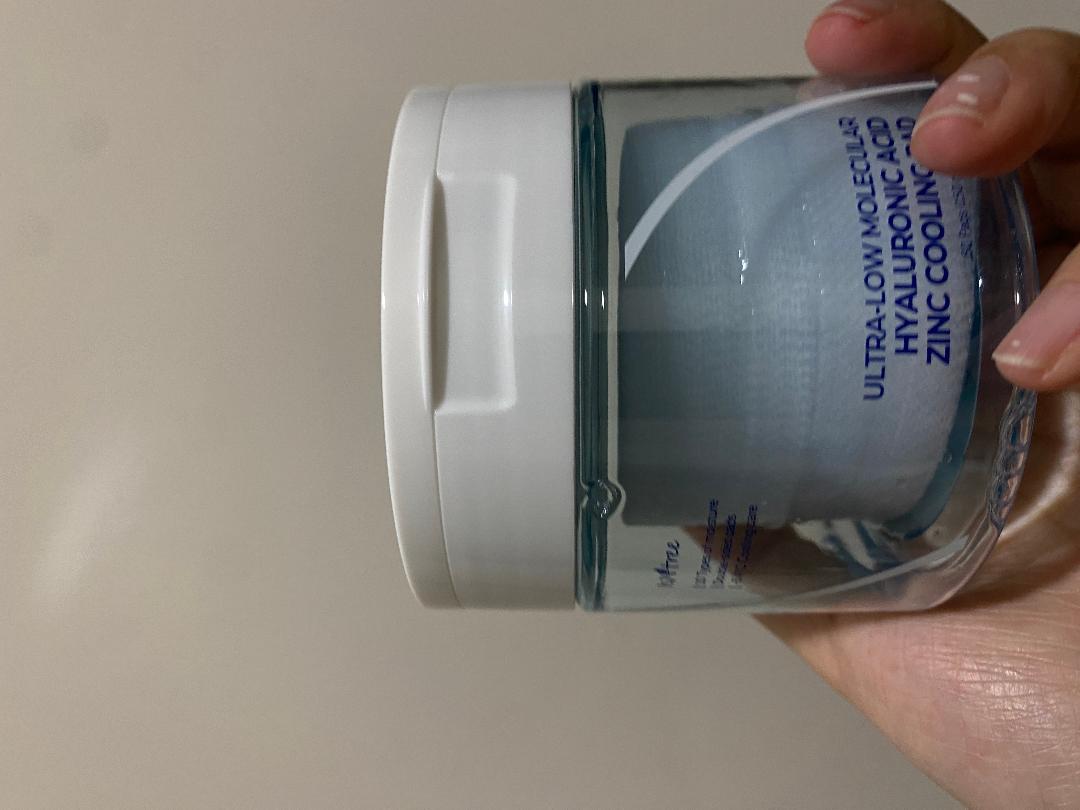
Then I realised I had placed the wrong side against my skin.
That is the main thing to know about this pad. It is dual-sided, and the two sides behave like two different tools. One side has a gauze-like texture, not harsh, but textured enough that you feel it. The other side is a smoother, jelly-like surface that sits against the skin more like a soft gel patch. When I flipped it and put the jelly side down, it finally made sense. The cooling was not icy or dramatic, but it was real. Within a minute or two, my cheek felt less hot and less prickly, as if my skin had stopped holding on to the heat quite so tightly.
After that first slightly awkward lesson, I started using the pads in a more realistic way: choosing the side based on what my skin is doing rather than expecting one pad to feel the same no matter how I place it.
Most evenings, I reach for the jelly side. If my cheeks feel warm or easily flushed, I press the pad onto the upper cheek area and leave it there while I do something ordinary, like tidying up the kitchen or making tea. It is not the kind of cooling that makes you gasp, and I appreciate that. It feels controlled. My skin gradually feels less buzzy, and my face looks a little more even when I take the pads off. It does not erase redness instantly, but it takes the edge off in a way I can actually feel.
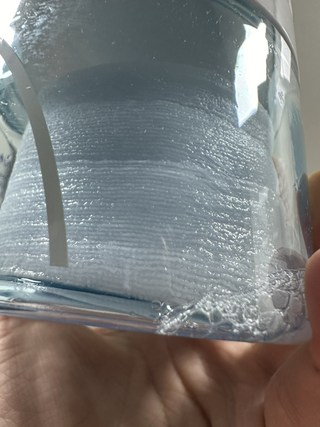
One afternoon made the jelly side click for me. I had been out longer than planned, then came back to a warm apartment, and I still had to get ready for dinner. My cheeks felt tight and warm at the same time, which is one of my least favourite combinations because it makes everything feel slightly irritated. I pressed a pad onto each cheek with the jelly side down and left them while I changed. When I came back, my face looked less flushed, and the tight-warm feeling had settled enough that I could put sunscreen on without that immediate sense that my skin was already annoyed. It was not a miracle. It was just a quiet, practical improvement, and that is usually what works best for me.
The gauze side is the side I use carefully. I do not use it when my skin is already sensitised, because friction is how a fine day turns into a bad week for me. But on normal days, when my skin feels slightly dull or a bit congested around the nose, the gauze side is useful for a quick, light sweep. I keep it simple: one gentle pass through the centre of my face, mostly around the nose and chin, then I stop. It gives me a fresher feel without pushing me into that irritated, over-exfoliated zone.
The essence itself is a big part of why this works for my sensitive skin. It reads as hydrating but not heavy. It absorbs without leaving a sticky film, which matters because sticky finishes are one of my personal triggers. If something stays tacky, I end up touching my face, and touching my face is how I end up with unnecessary redness. With these pads, once I pat in what is left, my skin feels calm and normal, not shiny and not coated.
It also fits into mornings better than I expected. If I use the jelly side for a short press after cleansing, then pat in the leftover essence, follow with moisturiser if I need it, and sunscreen sits more evenly. On those days, my base products tend to look smoother because my cheeks look less reactive and my skin feels more even at the surface. I am not using the pads as a primer, but I can tell when my skin is less warm and less fussy, everything on top behaves better. That is the kind of practical improvement I actually notice when I am rushing out the door.
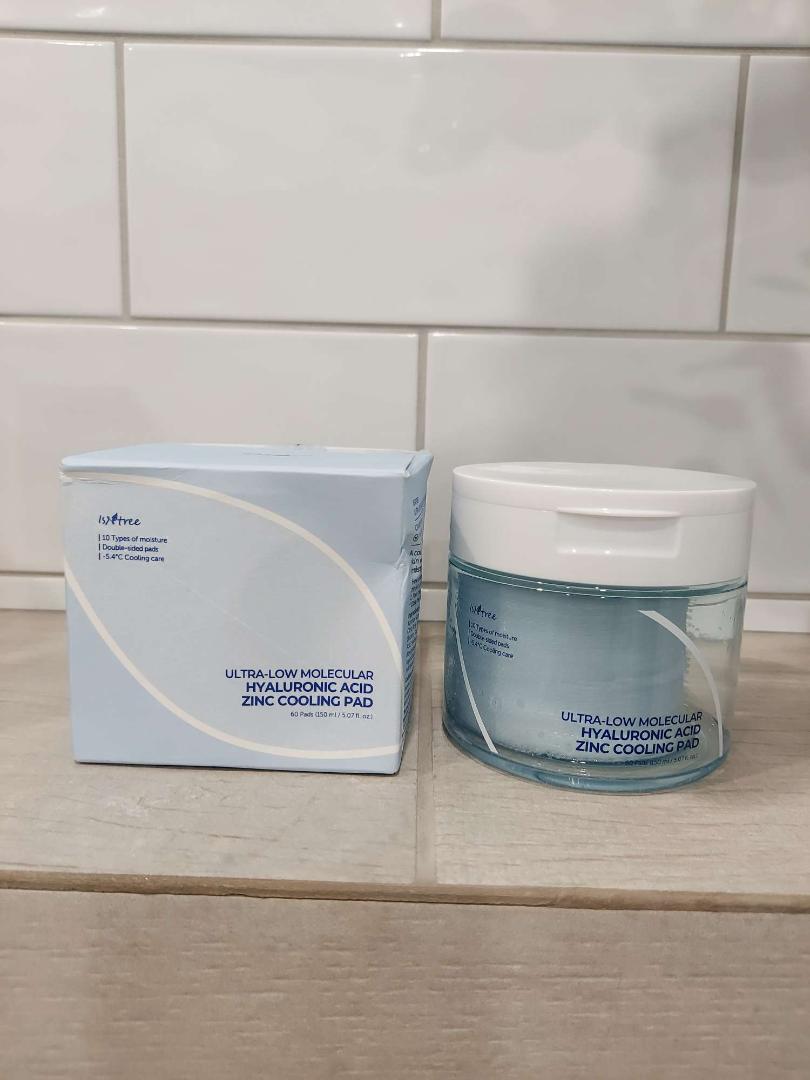
The cooling level is realistic. If you want the most intense chill on the market, I do not think this is the pad that will impress you. The cooling is moderate. It is noticeable on the jelly side, but it is not an aggressive blast. For me, that is a positive. I would rather have something I can use year-round, including in the middle of winter when indoor heat makes my skin feel tight, without worrying that it will sting on an off day.
One claim I do not fully buy is the idea that you can easily tear these pads into neat sections. I have tried. The pads are on the thinner side, and tearing them feels like forcing them to do something they were not built for. Could you rip one if you insisted. Probably. Would it be clean, easy, and worth the effort. Not in my experience. I get better results treating each pad as one piece and using the two sides properly.
At this point, my approach is simple, and I think that is why I keep reaching for the tub. If I want cooling, I use the jelly side and let it sit on the cheeks. If I want a quick reset, I press it briefly, then pat in the essence and move on. If I want a light smoothing moment, I use the gauze side once, gently, and I keep it moving. This pad rewards a light hand and punishes overthinking.
I would not call it the most exciting cooling pad I have tried. I would call it a thoughtful, sensitive-skin-friendly pad that becomes more useful once you learn which side does what. If you have sensitive skin and you tend to hold heat in your face, it is worth considering with one expectation set clearly: it is not going to be the coldest pad you have ever tried. It is going to be the pad you can keep using because it stays controlled, comfortable, and predictable. For me, predictable is the point.
 0Comments